
A new partnership between EV World 2026 and China EV100 positions the UAE at the centre of Chinese electric vehicle expansion into the Gulf.
What Is the EV World 2026 and China EV100 Deal?
EV World 2026 and China EV100 signed a strategic partnership in Dubai. The agreement gives Chinese electric vehicle companies direct access to regional distributors, investors, infrastructure developers and fleet operators.
The partnership covers electric vehicles, smart mobility, charging networks, batteries and future transport technologies. Together, the two organisations want to expand Chinese participation at EV World 2026 and deepen cooperation across these areas. Dawood Al Shezawi, president of EV World, said the UAE is emerging as a regional hub for sustainable transport and innovation-led growth. He added that the event connects those strengths with Chinese industrial knowledge.
What Will EV World 2026 Look Like?
EV World 2026 takes place from 10 to 12 November 2026 at Dubai World Trade Centre. The event is the UAE’s leading electric vehicle and future mobility exhibition, held in strategic partnership with Dubai’s Roads and Transport Authority.
Organisers expect more than 300 local and international companies to attend. They also expect over 30 business partners and more than 10,000 specialist visitors. Consequently, the event is positioned as a gateway for investment, knowledge transfer and international cooperation in electric mobility. Manufacturers, charging infrastructure providers, battery innovators, policymakers and industry executives are all expected to participate.
Which Chinese EV Brands Are Entering the UAE?
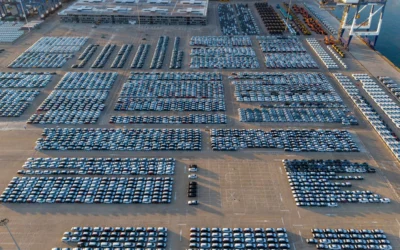
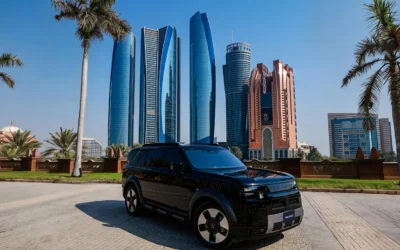
Several Chinese brands are moving into the Gulf with new distribution agreements. Al Fahim Motors signed a deal with Li Auto in Beijing in April to bring the brand’s extended-range electric models to the UAE. Meanwhile, Abu Dhabi-based Performance Plus Motors has been chosen to handle Aito’s entry into the Emirates.
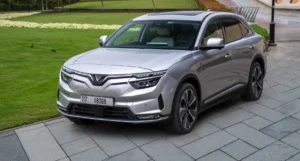
In addition, brands such as BYD, MG, Chery and NIO are already reshaping consumer expectations in the UAE market. As a result, the competitive landscape for electric vehicles in the country is changing rapidly. Chinese manufacturers are gaining share, and local distributors are actively seeking partnerships with established OEMs.
How Is Charging Infrastructure Developing Alongside Vehicle Sales?
Infrastructure investment is advancing in parallel with vehicle growth. UAE news agency WAM reported an agreement between 7X and government-owned UAEV to co-operate on nationwide charging deployment. Therefore, the network supporting electric vehicles is expanding at a pace that matches growing demand.
This is important because the regional EV market is still being built. Governments are investing in charging, and fleets are beginning to electrify. Manufacturers, however, need local partners who can translate technology into commercial scale. The 7X and UAEV agreement is one example of how public and private operators are working together to close that gap.
Why Does the UAE Matter for Chinese EV Expansion?
The UAE gives Chinese manufacturers a well-connected base for broader Gulf distribution. The country has an established logistics network, a large expatriate consumer base, and government policies that support EV adoption. For example, Dubai’s Roads and Transport Authority is already a strategic partner for EV World, which shows official commitment to the sector.
China EV100 is a leading Chinese policy and industry platform with deep ties to manufacturers, regulators and researchers. Its partnership with EV World therefore gives Chinese companies a structured route into conversations with government stakeholders across the region. As Chinese brands continue to push more aggressively into the Gulf, the UAE’s role as a coordination point for that expansion is becoming clearer.