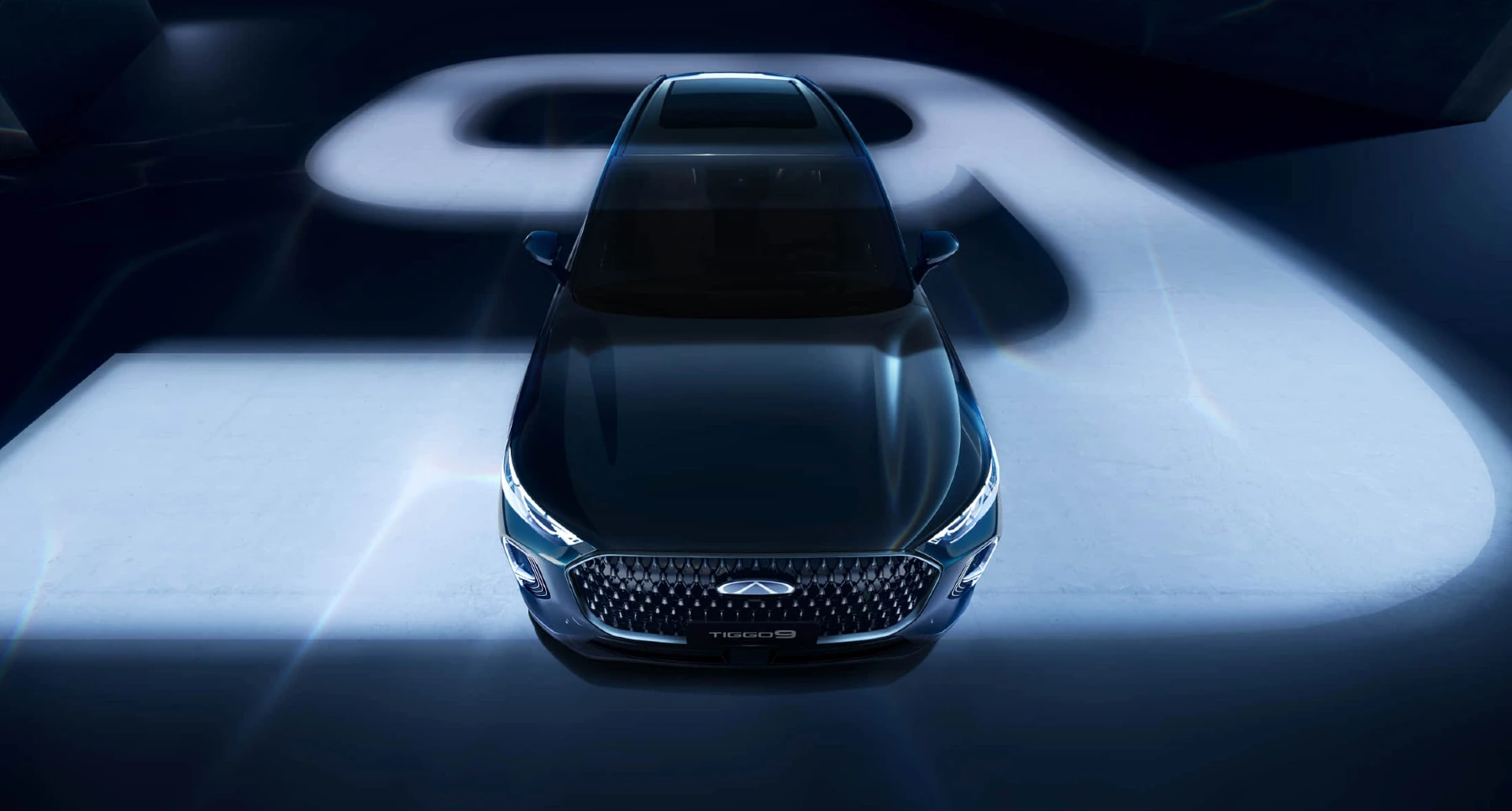
Chinese automaker Chery has introduced a new generation of its Rhino battery, presenting a package of fast-charging performance, long cycle life and a roadmap toward all-solid-state cells intended to dramatically extend electric vehicle driving distances.
According to Chery Motor Australia, the Rhino pack is claimed to be capable of adding up to 500 kilometres of range after roughly eight minutes of charging, and the chemistry has been engineered to endure as many as 5,000 full charge cycles. The company says these features address the principal obstacles to broader EV uptake: charging duration, durability and safety.
WhichCar reports Chery has layered multiple safety measures into the system, combining materials choices and reinforced structure with continuous condition monitoring via cloud-connected systems. The battery has been put through extreme-condition tests including temperature swings, salt spray, collision and immersion trials to validate robustness.
Chery plans the Rhino family to span multiple applications: liquid electrolyte variants for hybrids and battery-electric models under H-Series and E-Series names, and a separate S-Series dedicated to future solid-state cells, according to coverage by Carsifu and GoAuto. The automaker has assembled an expanding R&D organisation focused on solid-state development and is directing substantial funding toward that effort.
Early solid-state prototype cells are reported to have reached about 400 Wh/kg, with a company roadmap aiming to push energy density toward 600 Wh/kg. Chery says those levels would make overall vehicle ranges in excess of 1,500 kilometres practically attainable, as noted by Chery Motor Australia and CNEVPost.
Beyond the cell technology, the group is planning supporting infrastructure and vehicle demonstrations. CNEVPost says Chery intends to build ultra-fast charging capacity and is preparing to trial its solid-state pack in forthcoming vehicles such as the Exeed ES8, while recent reporting also places the development amid intensifying competition in battery innovation from rivals such as BYD.