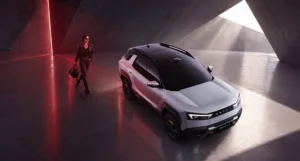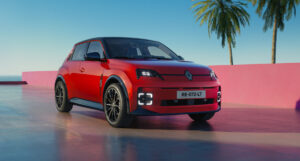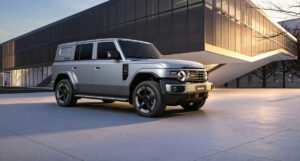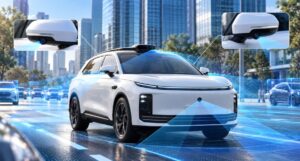

Battery-electric cars outsold petrol models in Germany in March for the first time in the market’s history, confirming a shift that would have seemed improbable just two years ago.
Registrations of pure electric cars rose 66% in March compared to a year earlier, reaching almost 71,000. Petrol car registrations fell 5% to 67,000, taking their market share below 23%. The crossover is a concrete milestone, and one that comes earlier than most forecasters expected.
What drove the surge?
Two forces were primarily responsible. The first was policy. Germany launched a new subsidy programme at the start of the year to support lower-income households in buying or leasing electric cars. The abrupt end of a previous subsidy scheme in late 2023 had resulted in a sales collapse, so the revival of structured government support helped restore consumer confidence across the market.
The second factor is less certain in its effect. Dealerships and online portals reported that a sharp oil price rise clearly stoked consumer interest in electric vehicles. That interest was linked to higher energy costs following the outbreak of conflict in Iran. However, the VDA, the German car industry association, noted that the March data showed no measurable impact of the Iran war on actual registrations, since buyers typically wait several months for delivery after ordering. Whether it translates into a second-half boost remains an open question.
How does the wider market look?
Total passenger car registrations rose 16% year on year in March to 294,200 units. That growth was partly helped by an additional working day compared with March 2025, though the underlying direction of travel is clear.
Battery-electric vehicles, plug-in hybrids, and fuel-cell vehicles combined accounted for 34% of all registrations, with 100,700 units. BEVs alone made up 24% of the total. Hybrid cars dominated the overall market with a 40% share, with registrations of around 118,000 across standard and plug-in hybrid variants. Diesel continued to lose ground, with registrations of less than 38,000 and a market share of around 13%.
Private car buyers drove particularly strong growth in March, pushing the company car share down to 65%. That is a significant shift in a market historically dominated by fleet and corporate buyers.
Is Tesla back?
Tesla registered a comeback in March, with sales more than quadrupling to more than 9,000 units compared to a year ago, following a period of reputational difficulty linked to CEO Elon Musk’s involvement in US politics and a subsequent sales collapse. Price cuts played a role in the rebound. The brand remains highly sensitive to both external perception and pricing decisions, as the past year demonstrated clearly.
Does this mean the market has turned?
Not without qualification. Germany’s EV uptake still lags well behind the government’s earlier plan to put 15 million electric cars on the road by 2030. The March result was supported by a favourable calendar comparison, a policy tailwind, and a market that had been suppressed by the 2023 subsidy withdrawal. The VDA’s full-year forecast points to around 1 million electric passenger car sales across 2026 within a total market of approximately 2.9 million units.
The model range is also widening. Over 150 EV models are now available to German buyers, with smaller and mid-sized cars taking a growing share of battery-electric sales alongside the SUVs that still dominate the segment. More choice, combined with more competitive pricing, is gradually making the decision easier for buyers who were previously sitting on the fence.
March did not resolve every question about Germany’s EV trajectory. But as a single data point, it is the clearest signal yet that the market has genuinely shifted. With Germany’s key position in the global car industry, that’s a big deal.