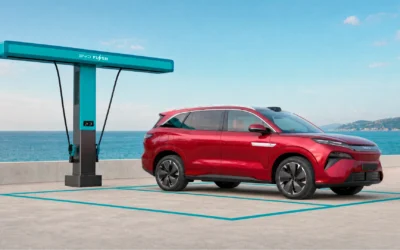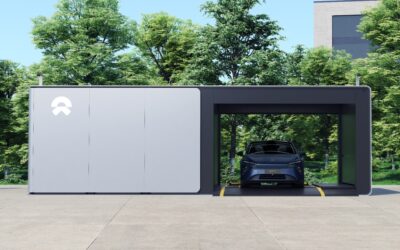

Wallbox and Turning Point Energy have installed more than 10,000 electric vehicle chargers across Saudi Arabia, showing how quickly the Kingdom’s charging infrastructure is growing.
What Has the Wallbox and Turning Point Partnership Achieved?
Wallbox and Saudi Arabia’s Turning Point Energy have passed a significant threshold. Together, they have sold and installed more than 10,000 electric vehicle chargers across the Kingdom since their partnership began in 2022.
The total covers both AC and DC units. Installations span homes, workplaces, and public sites. Turning Point acts as Wallbox’s official distributor, certified installer, and maintenance partner in Saudi Arabia. Consequently, the two companies manage the full chain from supply through to ongoing support.
Where Are the Chargers Being Installed?
The spread of installations across residential, commercial, and public locations shows a broad approach to network building. However, the partnership goes beyond simple hardware supply. Turning Point has also supported charging projects connected to its arrangements with EV manufacturers including BYD and Lucid.
As a result, infrastructure development is increasingly tied to vehicle sales and customer support. This means a driver buying an electric vehicle through one of those manufacturers can access a connected charging solution. Therefore, the experience from purchase to daily use becomes more coherent.
Why Does Charging Infrastructure Matter for EV Adoption?
Range anxiety is one of the most common reasons drivers hesitate before switching to electric vehicles. For drivers in Saudi Arabia and across the wider Gulf, reliable charging at home, at work, and in public addresses that concern directly. In addition, the availability of dependable charging at multiple locations makes the decision to switch feel far less daunting.
This is why partnerships between charger manufacturers and local infrastructure specialists have become central to early market growth. A charger manufacturer working alone cannot build the installation and maintenance network that broad adoption requires. Meanwhile, a local partner without access to quality hardware cannot meet rising technical expectations. The two roles are complementary.
What Are the Companies Saying About the Milestone?
Wallbox chief business officer Ignasi Alastuey said Saudi Arabia is investing heavily in electric mobility and charging infrastructure as part of broader transport and energy transition goals. His comments point to a national context that goes well beyond any single company’s commercial interests. For example, Vision 2030 has placed energy diversification and transport modernisation at the centre of Saudi economic planning.
Turning Point chief executive Fahad Al Saud said the achievement reflected both rising EV adoption and the importance of reliable charging to support it. That framing places the 10,000-unit figure in a practical context. The number is a signal of growing consumer demand, and consequently a reason to keep expanding supply.
What Comes Next for Saudi Arabia’s Charging Network?
Wallbox and Turning Point have stated their intention to continue expanding installations across Saudi Arabia. They expect demand for scalable charging solutions to keep rising as more motorists consider switching to electric. Therefore, the pace of deployment is unlikely to slow in the near term.
The scale already achieved shows the Kingdom moving from early-stage experimentation towards a more established charging ecosystem. In contrast to the situation just a few years ago, when charging points were sparse and concentrated in limited areas, the network now spans multiple environments and use cases. However, growth from 10,000 units to the level needed for mass adoption will require sustained investment from both the private sector and government. The direction, for now, is clear.