
Egypt is positioning itself as a lower-cost automotive manufacturing base, with electric vehicles at the centre of its industrial strategy.
What is Egypt’s automotive industry actually targeting?
Egypt’s Automotive Industry Development Programme sets clear numerical goals. The programme targets annual production of 100,000 vehicles, local value-added content of around 60%, and a domestic manufacturing share of more than 35%.
The Ministry of Industry has stated that the strategy is intended to build a more competitive industrial base. It also wants to strengthen Egypt’s position as a production hub connecting Middle Eastern and African markets. Those are concrete ambitions, and the government is backing them with direct incentives for foreign investors.
Which brands are entering the Egyptian market?
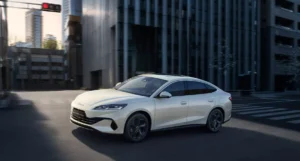
Chinese manufacturers are among the most active in responding to Egypt’s incentive structure. Brands including Geely, Chery, Exeed, and MG are among those drawn by the government’s industrial localisation programme.
Fitch Solutions forecasts a 5.9% rise in vehicle output in 2026. That growth is, in part, a consequence of these incentives deepening foreign participation in Egyptian manufacturing. As a result, Cairo is moving from being a vehicle importer to a vehicle producer with regional export ambitions.
How fast could Egypt’s EV market grow?
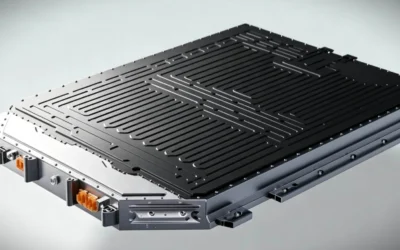
Electric vehicles are central to Egypt’s long-term industrial plans. Authorities are working to speed up EV assembly, widen the supply chain, and support cleaner transport across the country.
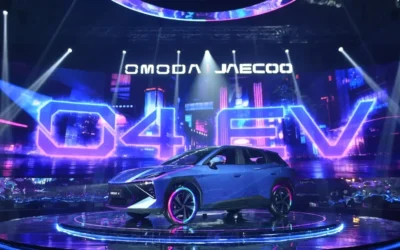
Fitch Solutions projects that EV sales could grow at an average annual rate of 23.8% between 2026 and 2035. Tax breaks and incentives for locally manufactured vehicles are the main drivers behind that projection. Consequently, the EV segment may grow considerably faster than the broader car market over that period.
What obstacles has the sector faced?
Egypt’s car industry has not had an easy few years. The American Chamber of Commerce in Egypt has noted that the sector faced serious pressure from macroeconomic instability, import constraints, and foreign-exchange shortages.
However, conditions have begun to improve. Stabilising inflation and a renewed government focus on domestic production are restoring confidence among investors and manufacturers. Meanwhile, Fitch Solutions has also projected stronger growth in construction, citing continued spending on transport, utilities, and energy, which signals a wider industrial recovery across the country.
Why does Egypt’s EV progress matter beyond its borders?
A stronger Egyptian supply chain could eventually increase regional availability of electric models. For buyers and investors in the Gulf, greater industrial competition in Egypt could mean more choice and, potentially, lower-cost electric vehicles entering nearby markets.
Therefore, Egypt’s automotive story carries weight beyond its own borders. The country is, according to Fitch Solutions, already leading the MENA region in automotive investment in 2025. In addition, its combination of low manufacturing costs, government commitment, and Chinese brand participation gives it a credible foundation for longer-term EV export growth. The next decade will show whether the programme’s targets translate into vehicles on roads across the region.