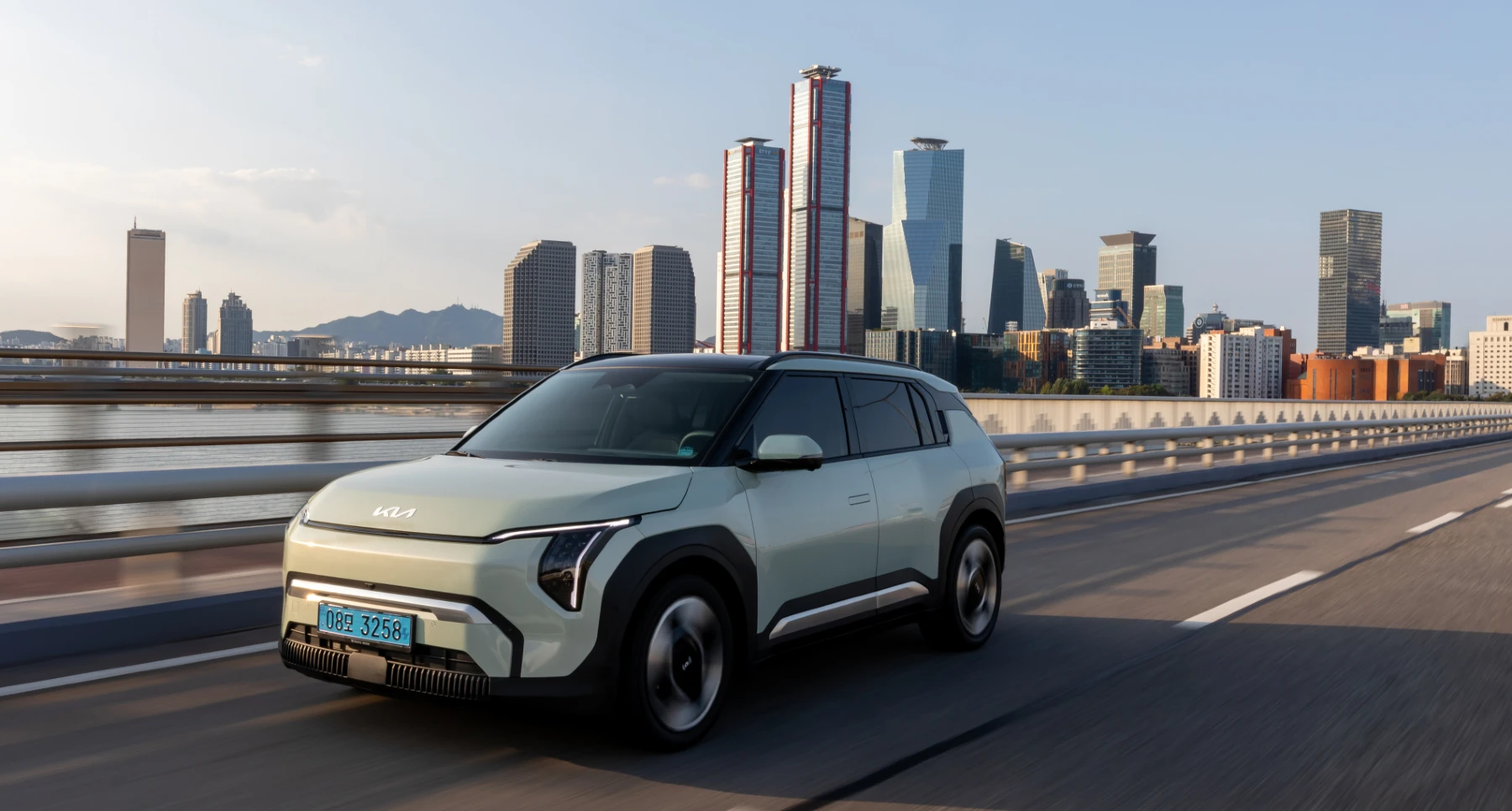
Kia has announced a successor to its E-GMP electric vehicle architecture. The announcement came during Kia’s 2026 CEO Investor Day and forms a central part of the brand’s software-defined vehicle strategy. The company aims for its next generation of battery-powered cars to deliver meaningful gains in range, charging speed, software capability, and manufacturing efficiency.
The existing E-GMP platform has already established itself as a cornerstone of Kia’s EV line-up. It supports ultra-fast charging, taking a battery from ten per cent to eighty per cent in eighteen minutes. The architecture handles both 400-volt and 800-volt systems without requiring additional hardware modifications. Kia also engineered the platform to reduce vehicle weight, expand cabin space, and recover waste heat through an integrated heat-pump system. Models including the EV6 and EV9 ride on E-GMP. The more affordable EV3 uses a simplified 400-volt variant of the same underlying architecture.
What improvements does the new platform target?
The next-generation platform is expected to represent a substantial technical step forward. Kia is targeting approximately forty per cent more battery capacity compared to the current generation. Motor output is expected to rise by around eight per cent. The company is also pursuing fifth-generation battery technology, with the dual goals of improving energy density and reducing cost per unit.
Beyond the powertrain, Kia is working on a redesigned infotainment system alongside Level 2++ driver-assistance features. These additions point to a clear shift in priorities. Kia is placing greater emphasis on computing power and in-car intelligence, treating software capability as equally important as mechanical performance. This aligns with the broader software-defined vehicle direction that Kia outlined at the investor event.
How does this fit Kia’s wider electrification strategy?
Kia’s ambitions extend well beyond conventional passenger cars. The Platform Beyond Vehicle programme reflects the company’s intention to develop more modular and adaptable electric models suited to a range of uses. The PV5, built on Kia’s E-GMP.S architecture, is the first production model to emerge from that initiative. It signals that Kia views electrification as a platform for broader mobility solutions, rather than a simple swap from combustion engines to battery power.
The next-generation platform will need to address questions that have followed earlier E-GMP models. Industry observers have noted reliability concerns in some first-generation vehicles. Whether the new architecture resolves those issues will matter as much as the headline performance figures. A platform that delivers on both reliability and capability would give Kia a stronger foundation for global launches through the latter half of the decade.
What does this mean for Kia’s global production plans?
North America is a significant focus for Kia’s upcoming EV push. Local production is expected to play a larger role in how the company approaches that market. Manufacturing closer to customers in key regions supports both logistics efficiency and potential eligibility for local incentive schemes, which remain important to EV purchase decisions.
The timing of the announcement, tied to the CEO Investor Day, also carries commercial significance. Kia is sending a clear message to investors that its EV roadmap extends beyond the current generation of products. The next-generation platform, with its combination of greater range, faster charging, smarter software, and updated driver-assistance technology, represents the company’s bid to remain competitive as the global EV market intensifies.
The 2026 launch window gives Kia roughly two years to bring the new architecture into production readiness. Fifth-generation battery chemistry, redesigned infotainment, and advanced driver assistance are each complex undertakings on their own. Delivering all of them within a single platform refresh will test the company’s engineering and supply chain capabilities in equal measure.
The broader picture is one of acceleration. Kia is not alone in pushing its EV platforms to a new generation, with rivals across Europe, the United States, and Asia doing the same. The company’s ability to translate these investor-day targets into production-ready vehicles will determine how effectively it competes in that expanding field.