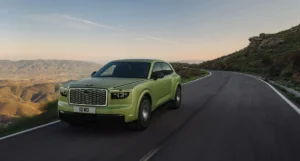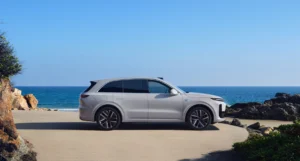

The iconic G-Wagen shape is getting a smaller sibling. Mercedes-Benz has confirmed a compact new model, known internally as the “Little G,” due in 2027 and offered with both a pure-electric and a hybrid powertrain.
CEO Ola Källenius first announced the model at IAA Munich in September 2023. At the time, it was planned as an electric-only vehicle. That brief has since changed. The Little G will now slot below the existing G-Class in both size and price, offering a new entry point into one of Mercedes’ most storied nameplates.
Why has Mercedes added a hybrid option?
The simple answer is demand. Sales of the larger G 580 electric have fallen short of expectations. Källenius has since confirmed that Mercedes will continue producing combustion models well into the 2030s, and the Little G reflects that wider strategy. By offering two powertrains, Mercedes can respond to different regulatory regimes and buyer preferences across markets.
According to Autocar, the electric variant will launch first. Timing for the hybrid has not been confirmed.
What will power the electric version?
The EV is expected to feature dual motors with all-wheel drive as standard, preserving the off-road character central to G-Class identity. An 85 kWh NMC battery is tipped to deliver a WLTP-rated range of around 724 km. That is a striking figure for a vehicle of this shape. For context, the Mercedes CLA 350 achieves between 672 and 771 km under WLTP, and the Little G’s upright, boxy stance makes any comparable figure genuinely impressive.
An 800-volt architecture is expected, enabling rapid DC charging, with a 10-to-80 per cent charge potentially taking around 20 minutes. These figures are unconfirmed by Mercedes.
What about the hybrid?
The hybrid is expected to borrow the turbocharged 1.5-litre four-cylinder engine from the latest Mercedes CLA. That unit is designed by Mercedes and produced by Horse Powertrain, a joint venture between Geely and Renault. In the CLA, it produces up to 208 bhp and 380 Nm of torque, paired with a gearbox-mounted electric motor for short bursts of combustion-free driving. Output for the Little G has not been confirmed.
How big is it, and what does it look like?
The five-seat model is expected to measure around 4,400 mm in length, making it roughly 49 cm shorter than the standard G-Class. Design cues carry over from the larger vehicle: a boxy upright silhouette, round headlamps, three side windows per side, and a rear-mounted spare wheel. The stance is deliberately military-inspired.
The Little G will not share a platform with Mercedes’ electric passenger cars. It will ride on a bespoke ladder-frame chassis, a significant engineering commitment. That construction preserves the off-road durability a shared unibody platform would compromise, and signals that Mercedes is taking the model’s go-anywhere brief seriously.
Who will it compete with?
The compact premium off-road segment is becoming crowded. The Little G is positioned as Mercedes’ direct answer to the Land Rover Defender Sport, JLR’s electric compact off-roader confirmed for 2027 and built on a new EMA platform. The Toyota Land Cruiser FJ and Ford Bronco are also cited as rivals.
The Defender Sport will launch as electric-only. If the hybrid option for the Little G arrives as planned, Mercedes will have a clear advantage in markets where combustion alternatives remain in demand.
Pricing has not been announced. Industry analysts suggest a starting price of around $70,000 in the US for the electric variant, putting it at roughly half the cost of the current G-Class.
When is it coming?
Prototype testing is already under way on public roads. Källenius confirmed this in September 2025 at the world premiere of the GLC Electric in Munich. Production is scheduled to begin in 2027, with the electric model arriving first. The final production name has not been confirmed by Mercedes.
The twin-powertrain strategy is a pragmatic one. It lets Mercedes serve buyers across different markets without asking every customer to commit to an EV. For a nameplate built on adaptability and endurance, that approach makes sense. The Little G may be smaller, but the thinking behind it is anything but.