
EU governments look set to drop binding electric-car targets for large company fleets. A Council Presidency compromise would replace them with voluntary targets, following the line the European Parliament has already taken.
What does the Council draft say?
The Irish Council Presidency prepared the compromise draft for a meeting of member states on 23 November. It would turn the binding national quotas in the Commission’s proposal into aspirational targets. Member states wouldn’t face penalties for missing them.
The draft would also let governments keep tax incentives for petrol and diesel company cars. By contrast, the Commission had proposed ending such subsidies from 2028. Under the Irish text, zero- and low-emission vehicles would only need to be treated “more favourably”.
What did the Commission originally propose?
The Commission published its Clean Corporate Vehicles proposal in December 2025 as part of its Auto Package. It set national targets for the share of zero- and low-emission vehicles among new corporate cars and vans registered by large companies.
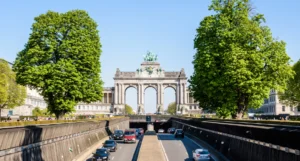
The targets were to apply from 2030 and differed by country. The idea drew on Belgium’s company car tax system, which has driven a sharp rise in EV sales there. For Germany, for example, the Commission proposed a minimum zero-emission share of 54 per cent from 2030.
Where does the Parliament stand?
The Parliament moved first. In October, the three largest groups, the EPP, S&D and Renew, agreed a joint position that the targets should be aspirational. Jens Gieseke, an EPP MEP and chair of the transport committee, welcomed the deal. “For corporate fleets, we have found a good compromise with the other groups that protects fleet operators from major burdens,” he said.
The environment and transport committees then held a joint vote on the file on 4 November. The committees backed aspirational targets for each member state, ranging from 67 per cent to 95 per cent for zero- and low-emission vehicles by 2030 and 2035. So both lawmaking bodies now lean towards voluntary goals.
Why do company fleets carry so much weight?
Company cars make up a high share of new registrations, and businesses replace them quickly. In its proposal, the Commission noted that this fast turnover would feed more zero-emission cars into the second-hand market. As a result, private buyers would get access to affordable used EVs sooner.
Fleet managers also tend to judge cars on total cost of ownership. Electric models can do well on that measure, thanks to lower running costs. Even so, purchase prices, resale values and charging at depots and employees’ homes still shape their decisions.
Who objects to the softer approach?
Transport & Environment, the clean-transport campaign group, criticised the Irish compromise on 20 November. It said continued subsidies for petrol and diesel company cars would fail to boost demand for clean, EU-made cars. The group also warned that the approach puts up to 344,000 new EU jobs at risk.
On the other side, several governments have argued against binding fleet rules for months. In June, nine member states pushed back against the Commission’s targets, warning about costs for business and uneven readiness across the bloc. Germany’s coalition government, for instance, rejected the proposed regulation in the spring, while supporting fleet electrification in general.
What happens next?
Once the Council settles its position, it will negotiate a final text with the Parliament and the Commission in three-way talks. With both lawmaking bodies favouring voluntary targets, the binding quotas in the original proposal have little support left.
For drivers, nothing changes straight away. Company car users won’t face new rules overnight, and neither will private buyers. Leasing firms and carmakers, however, will watch closely, because fleet orders shape their plans for years ahead. The shift follows a wider loosening of EU car rules, including committee votes to soften the 2035 car CO2 target. It shows that Brussels now plans to rely on incentives and national choices to push company fleets towards electric cars.