Dubai’s Roads and Transport Authority is rolling out 735 electric buses across the emirate through 2026, advancing its goal of net-zero public transport by 2050.
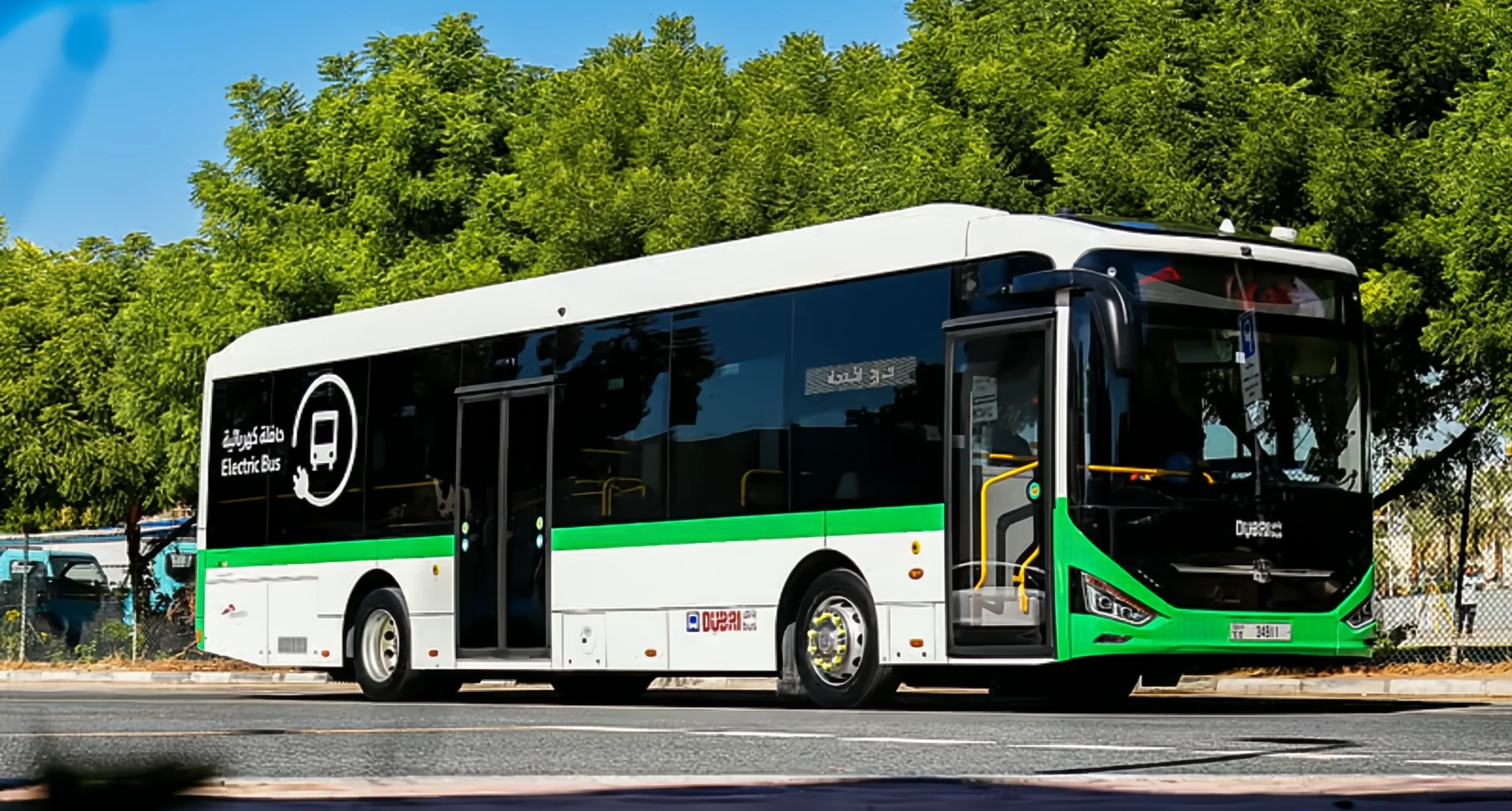
The Roads and Transport Authority (RTA) in Dubai is deploying 735 electric buses through 2026. The vehicles will arrive gradually across the year. This rollout puts Dubai among the most active adopters of electric mass transit in the Gulf region.
What buses are already on the road?
The RTA received the first tranche of vehicles in January 2026. That delivery covered 250 buses under the 735-vehicle contract. Forty of those were electric models. Dubai’s official media described that procurement as the largest of its kind in the UAE.
Each electric bus carries a 434-kilowatt-hour battery. A 360-kilowatt charger supports the system. The buses have a stated range of up to 280 kilometres on a single charge. They are designed for urban routes within the city.
How has the existing electric fleet performed?
The RTA has reported strong results from buses already in service. Driver and passenger satisfaction rates are above 95 per cent, according to Emirates News Agency. That figure covers short and medium urban routes specifically.
In 2025, the electric bus programme avoided 59,263 tonnes of carbon dioxide emissions. The RTA reported this figure directly. Consequently, the authority has used those results to support the case for wider deployment.
What is the long-term strategy behind this rollout?
The RTA published a zero-emissions public transport strategy in 2023. It was the first agency in the Middle East to release a long-term plan of this type. The published goal is to reach net-zero public transport by 2050.
As part of that timeline, the RTA has set an interim target. By 2030, 10 per cent of public buses should run on electric or hydrogen power. Therefore, the 2026 deployment is a direct step within a structured, decade-long plan.
Why does this matter for Gulf transport more broadly?
Dubai’s programme is not limited in its implications to a single city. Gulf urban centres face shared challenges around air quality, diesel dependence, and rising transport demand. The Dubai rollout provides a working reference point for how large-scale electric bus networks can be built.
However, the scale matters here. There is a meaningful difference between a pilot scheme and a fleet of hundreds. By the end of 2026, Dubai will have moved well beyond the pilot stage.
For example, the 59,263-tonne emissions saving in 2025 came from a relatively small initial fleet. The full 735-vehicle contract will increase that impact considerably. In addition, the satisfaction data from drivers and passengers gives other authorities evidence to work from.
What comes after the current contract?
The RTA has not yet announced a follow-on contract beyond the 735-vehicle agreement. Meanwhile, the authority continues to develop the infrastructure needed to support a larger electric fleet. Charging capacity will be central to any further expansion.
The 2030 target of 10 per cent electric and hydrogen buses across the network is the next measurable milestone. Consequently, procurement decisions in the next two to three years will determine whether that figure is met. The current programme puts the authority on a credible path toward that outcome.
The broader 2050 net-zero goal remains a long-range ambition. However, the RTA’s approach shows that the emirate is moving through concrete delivery stages rather than treating the target as a distant aspiration. Each tranche of vehicles received adds to a growing operational fleet.
For readers tracking the shift to electric mobility across the UAE and Saudi Arabia, the Dubai bus programme is worth watching closely. It covers procurement, infrastructure, performance data, and long-term planning in a single integrated effort. As a result, it gives the clearest picture yet of what a genuine large-scale electric bus transition looks like in a Gulf city.