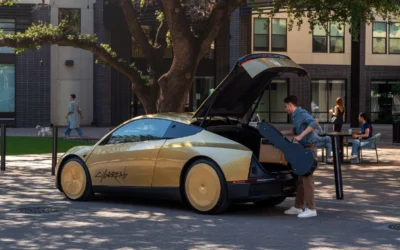
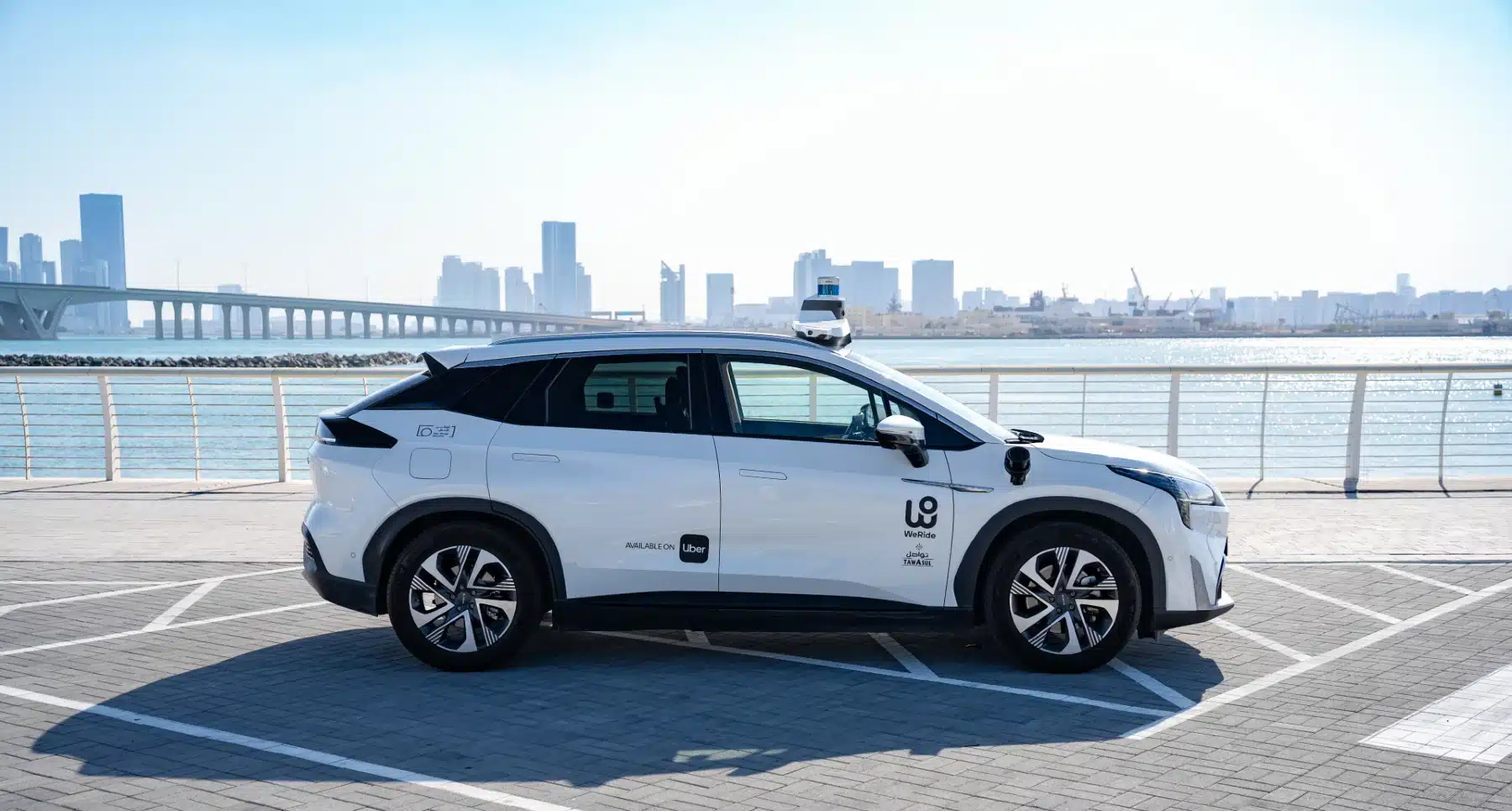
Uber has begun offering fully driverless robotaxi rides in Abu Dhabi, marking the first time the company has launched a commercial driverless service outside the United States. The rollout, which starts on Yas Island, places the UAE at the forefront of real-world autonomous mobility deployment and underlines the Gulf’s growing role as a proving ground for next-generation transport systems.
Passengers booking through the Uber app can now select a vehicle labelled “Autonomous” and be collected by a sedan with no driver present. The service follows a period of private trials and has now moved into public operation within a defined area of Yas Island. Uber says expansion across other parts of Abu Dhabi is planned, subject to regulatory approval and operational readiness.
A platform partnership, not a solo bet
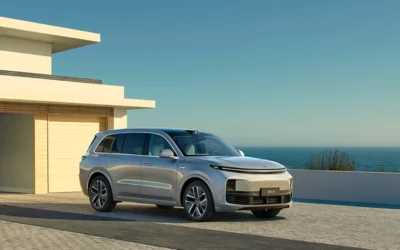
The vehicles are operated by WeRide, a Chinese autonomous driving company that already runs robotaxi services in several markets, including the UAE. Uber provides the consumer-facing platform, payments, and customer support, while WeRide supplies the autonomous driving system and manages vehicle operations. The structure reflects Uber’s wider autonomy strategy, which prioritises partnerships and platform scale rather than developing vehicles in-house.
The service operates at Level 4 autonomy within a mapped operational design domain. This means the vehicles handle all driving tasks without human input inside approved areas. WeRide’s cars rely on a combination of lidar, radar, and camera sensors to perceive their surroundings. When the system encounters a scenario it cannot resolve confidently, it is designed to pull over safely and request remote assistance. There is no safety driver seated in the vehicle during trips.
Regulation as the key enabler
Regulatory support has been central to the launch. Abu Dhabi’s transport authorities granted permits allowing fully driverless commercial operations, enabling the transition from controlled trials to paid rides in under a year. Uber and WeRide have framed the deployment as aligned with the emirate’s smart mobility ambitions, which emphasise advanced transport technologies, data-driven traffic management, and lower-emission urban travel.
Initial operations remain deliberately constrained. Yas Island offers a relatively predictable traffic environment, making it a common starting point for new mobility services. Local reporting indicates that availability is currently limited to set operating hours and specific routes, rather than continuous citywide coverage. Reuters reports that the partners aim to extend the service to other areas, including Al Reem and Al Maryah islands, with a broader expansion targeted by the end of 2025.
Autonomy meets electrification
Pricing positions the service as a mainstream transport option rather than a novelty. Fares for the Autonomous category are reported to be comparable with UberX and Uber Comfort, signalling an intention to integrate driverless rides into the company’s existing pricing structure. Riders book through the standard Uber app, without additional onboarding or specialist knowledge.
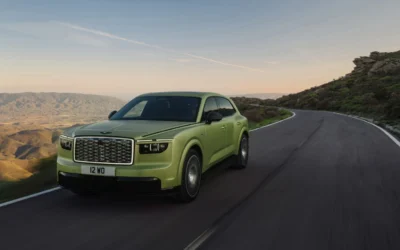
While detailed vehicle specifications have not been disclosed, WeRide’s robotaxi fleet is electric. This places the rollout at the intersection of two major shifts in urban transport: electrification and autonomy. For cities pursuing climate and air-quality targets, autonomous electric fleets offer the prospect of higher vehicle utilisation, fewer privately owned cars, and lower per-kilometre emissions.
Despite the commercial debut, detailed safety data remains limited. Neither Uber nor WeRide has published disengagement rates, incident statistics, or comparative performance metrics for Abu Dhabi operations. Coverage to date has focused on the fact that the service is live and publicly accessible, rather than an experimental pilot. Independent data to assess performance in denser or more complex traffic conditions has yet to be released.
The Abu Dhabi launch also reflects a broader shift in the global autonomous vehicle landscape. Chinese autonomy developers are expanding overseas, drawn by regions with supportive regulation and modern infrastructure. For Uber, the move demonstrates that fully driverless services can operate on its platform beyond the US. For policymakers and urban planners, it offers a real-world case study in how autonomy can be introduced incrementally, starting with constrained environments before moving into more complex urban settings.
As the service scales, scrutiny will intensify. Performance in heavier traffic, transparency around safety data, and public trust will determine whether driverless robotaxis move beyond showcase deployments into everyday urban mobility.